Bellegrove Road house removals Bexleyheath narrow access tips

Moving house on Bellegrove Road in Bexleyheath can feel straightforward on paper, then suddenly complicated the moment you look at the driveway, kerb space, low-hanging branches, parked cars, or a hallway that seems to shrink once the sofa arrives. That is exactly where Bellegrove Road house removals Bexleyheath narrow access tips become useful. A good move in a tight-access street is not about brute force. It is about planning, vehicle choice, protection, timing, and a few small decisions that save a lot of hassle later. In our experience, the best removals on streets like this are the ones that look almost boring on the day. No drama. No scraping. No one standing in the rain wondering where the van can actually go.
Below, you will find practical guidance for narrow access moves, local considerations, mistakes to avoid, and how to make the whole thing calmer from the start. If you want a broader overview of moving support while you plan, you may also find the company's house removals and home moves pages useful as background.
Why Bellegrove Road house removals Bexleyheath narrow access tips matters
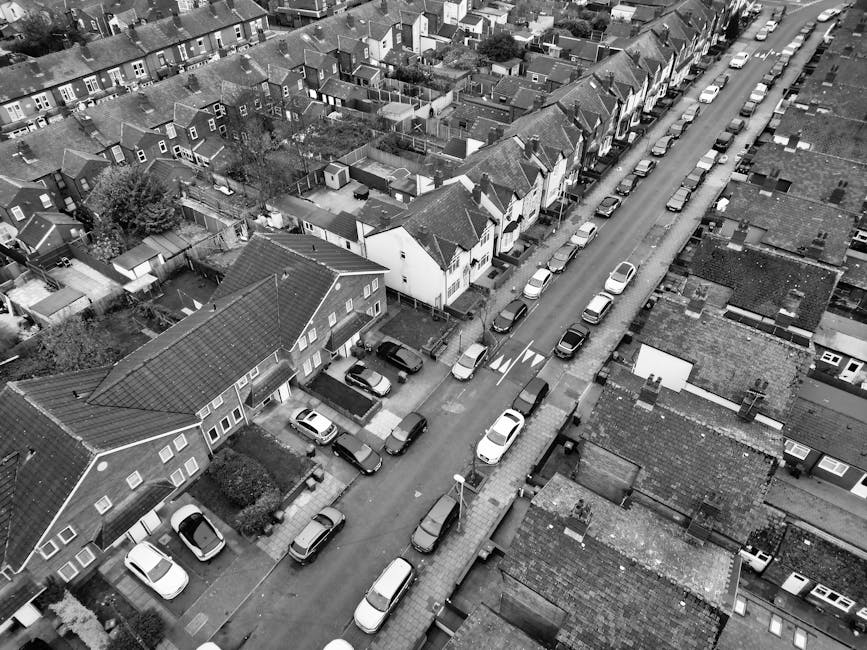
Bellegrove Road sits in a part of Bexleyheath where access can vary from property to property more than people expect. One house may have a decent front approach; the next may have a narrow path, a tight gate, or a parking situation that makes a standard van stop awkward. That matters because removals are not just about moving items from A to B. They are about getting the vehicle close enough to do the job safely and efficiently.
When access is limited, small problems start to stack up. A fridge that needs turning sideways. A wardrobe that will not clear a corner. A parking spot that disappears five minutes before loading begins. These are not rare issues; they are normal moving-day realities. The right approach reduces the chance of damage to walls, door frames, flooring, furniture, and, frankly, everyone's patience.
There is also a simple money side to this. Tight access can affect how long loading takes and whether extra labour is needed. If you understand the access issues in advance, you can plan the right size of vehicle, the right number of movers, and the right order of work. That usually beats rushing about on the day and hoping for the best. Let's face it, hope is not a moving strategy.
For anyone comparing moving support, the company's removal services and removal companies information can help set expectations around service scope and planning.
How Bellegrove Road house removals Bexleyheath narrow access tips works
The process is really about matching the move to the street. Narrow access tips are not one single trick. They are a sequence of checks and adjustments that make the removal safer and faster.
Here is how it usually works in practice:
- Assess the access early. Look at front paths, side returns, steps, gate widths, porches, turning space, and where a vehicle can stop without blocking traffic or neighbours.
- Choose a suitable vehicle. In a tight road, a smaller removal van or a flexible man and van option may be easier than trying to force in a larger lorry. That does not always mean smaller is better, though. It depends on volume.
- Plan the loading route. Decide which entrance will be used, how large items will exit, and where protective covers are needed.
- Reserve the best loading position. Even if no formal bay suspension is needed, the key idea is to make sure the van can get as close as possible. A few metres can make a big difference.
- Protect the property. Door thresholds, banisters, corners, and floors need shielding if items are bulky or the route is tight.
- Load in the right order. Large, awkward furniture should be handled first, then boxed items, then lighter and loose pieces.
- Keep communication clear. One person should direct movement at the property entrance. Too many voices in a tight hallway becomes chaos very quickly.
A good removal team will also factor in weather, road position, and the likely behaviour of local traffic. On a damp morning, for example, a narrow path and polished furniture do not mix well. You can almost hear the scuff of box corners on the floor if nobody has planned the route properly. Not ideal.
Key benefits and practical advantages
Good narrow-access planning brings benefits beyond simply "getting the job done".
- Less risk of damage. The more carefully the route is planned, the fewer chances there are for scratched walls, chipped paint, or dented furniture.
- Faster loading and unloading. A van parked sensibly close to the entrance saves a surprising amount of time.
- Lower stress for the household. Moving day is noisy enough already. Less confusion means a calmer tone from the beginning.
- Better handling of awkward items. Sofas, wardrobes, beds, mirrors, and appliances all become easier when the exit plan is clear.
- More accurate quotes. If access details are shared early, the estimate is more likely to reflect the real work involved.
- Smarter vehicle choice. You do not pay for unnecessary capacity, but you also do not underestimate the move and run out of space halfway through.
For moves where furniture needs to be broken down, wrapped, or transferred carefully, it can help to read about packing and boxes and furniture removals. Those services often make tight-access jobs much simpler.
Expert summary: In narrow-access removals, the big wins usually come from the small things: measuring properly, parking sensibly, protecting surfaces, and deciding the vehicle size before moving day, not during it.
Who this is for and when it makes sense
This guidance is especially useful if you are moving from, to, or along Bellegrove Road and any of the following sound familiar:
- the driveway is too narrow for a standard removal truck
- parking is limited or often occupied
- there is a narrow front door, hallway, or staircase
- you have larger furniture or fragile items to move
- you are moving with children, pets, or older relatives who need a calmer process
- you are doing a same-day or time-sensitive move and cannot afford delays
It also makes sense for landlords, tenants, and homeowners who want to avoid last-minute surprises. A lot of people only think about access after the van arrives. By then, you are already behind. If you have ever watched a couch rotate in impossible slow motion at the top of a hallway, you will know why planning matters.
For student moves, smaller flats, or situations where you only need a few items shifted, a man with a van style solution can be a sensible fit. If the move is larger, full household support may be better through house removalists.
Step-by-step guidance
1. Check the street and property access
Start outside. Look at the road width, any parked cars, turning points, and whether the van can stop close enough to the property. Then check the entrance route. A narrow path with flowerpots, bins, and a low wall can eat up time fast. It is worth taking a few photos on your phone, because memory has a funny habit of editing out the difficult bits.
2. Measure the awkward items, not just the rooms
Measure the widest points of sofas, beds, fridge-freezers, wardrobes, and anything with a fixed frame. It is not enough to know the room size. The real issue is whether the item will pass through the door, turn the corner, and clear the banister. Measure the doors too, ideally with hinges and handles in mind.
3. Decide what needs dismantling
If a bed frame, wardrobe, or dining table can be safely dismantled, that often makes the move smoother. Keep screws, bolts, and fittings in labelled bags. It sounds simple, but you would be amazed how many people place all the fixings in one mystery envelope and then spend a Sunday hunting for the right screw. Not fun.
4. Confirm vehicle size and crew numbers
Narrow access often favours a careful balance between vehicle size and carrying capacity. A smaller vehicle may park closer and make the run shorter, while a larger one may reduce the number of trips. The right choice depends on volume, access, and timing. If you are unsure, ask for a proper assessment rather than guessing.
5. Prepare the path inside and outside
Clear rugs, shoes, bins, plant pots, loose cables, and anything that could trip someone or snag on furniture. In the house, widen the route as much as possible. Outside, make sure the curb area is free enough for easy loading. A few minutes of prep can save half an hour later.
6. Protect floors and walls
Use blankets, runners, corner guards, and wrapping where needed. This matters most where there are narrow turns or soft plaster edges. One careful pass is better than three rushed ones.
7. Load in the right order
Start with the largest and most difficult pieces while everyone still has energy and space to manoeuvre. Then add medium items and boxes. Keep essentials separate. If the van is full of random loose items first, the big pieces become a puzzle. A frustrating one.
8. Leave room for flexibility
Even the best plan can change. A neighbour may have parked unexpectedly. A gate may not open as far as you thought. The mover who does well in tight access is the one who adjusts calmly rather than forcing a bad decision.
Expert tips for better results
A few small, experienced moves make a big difference on narrow-access jobs:
- Take real photos. Wide shots of the front, driveway, entrance, hallway, and stair turns help more than a short description ever will.
- Use the quietest loading window if possible. Early starts are often easier for parking and neighbour access, though not always practical for every household.
- Keep one person in charge of access calls. If three people are answering questions at once, the job slows down.
- Separate essentials from the main load. Kettle, documents, chargers, medication, and a change of clothes should not get buried under boxes.
- Think in metres, not just in "near enough". A van being two or three car lengths further away can change the whole pace of the day.
- Ask about protection and insurance upfront. Reassurance matters. It should be clear how items are handled and what safeguards are used. The company's insurance and safety information is a useful place to check those expectations.
There is also a practical scheduling angle. If your move is tied to completion day, school runs, or an evening handover, mention that early. Tight-access moves do not like loose timing. They need a little structure, even if the day itself is a bit lively.
Common mistakes to avoid
Most narrow-access problems are avoidable. The trouble is, they often feel small until they become big.
- Assuming the van will fit "somehow". That is the classic one. Maybe it will, maybe it will not. Better to check before moving day.
- Not measuring the staircase or hallway turns. This is where a lot of furniture gets stuck, awkwardly and loudly.
- Leaving parking to chance. If access is limited, the parking plan should be part of the move plan.
- Forgetting about neighbours and shared spaces. Shared driveways, bins, and front paths can be obstacles if they are not mentioned in advance.
- Packing boxes too heavy. Heavy boxes in a narrow house are exhausting to carry and more likely to split or slip.
- Trying to move everything at once. That is how small problems turn into a long afternoon.
One of the more expensive mistakes is underestimating labour time. If the access route is awkward, a move that looks simple may need more handling time than expected. Better to be honest about that early than to end the day with everyone tired and muttering into their tea.
Tools, resources and recommendations
You do not need fancy equipment, but the right basics help a lot. For a Bellegrove Road move with narrow access, these are the practical bits worth having ready:
- tape measure
- phone camera for access photos
- labels and marker pens
- protective covers or blankets
- strong boxes in a few consistent sizes
- zip bags for screws and fittings
- gloves with a decent grip
- door stop wedges if doors tend to swing shut
If you want the move handled with less lifting and sorting on your side, the company's packing and unpacking services can be useful. And if you have items that will not be needed immediately, short-term storage can reduce pressure on a tight move day.
For people who need a lighter-touch option, removal van support may be more appropriate than a larger truck, while heavier or more complex loads may justify removal truck hire. The right answer depends on the actual access, not just the postcode.
Law, compliance, standards, or best practice
For domestic removals in the UK, the main thing is not to overcomplicate the legal side, but to respect the basics of safety, parking, property access, and honest quoting. If a vehicle needs to stop on a busy road, the mover should consider local conditions and avoid unsafe positioning. If access is shared, arrangements should be made in a way that does not block neighbours or create hazards.
Best practice usually includes:
- clear pre-move assessment of access
- accurate description of items and load size
- safe lifting technique and sensible team coordination
- proper handling of fragile or valuable items
- communication about any property risks, such as low ceilings, tight stairs, or narrow doors
- careful treatment of floors, walls, and communal areas
Where a company has published policies, that is often a good sign of structure rather than a paperwork performance. Pages such as health and safety policy, terms and conditions, and payment and security help set expectations. They are not glamorous reading, no, but they do matter.
For sustainability-minded customers, it can also help to check the company's recycling and sustainability approach, especially if you are decluttering before a move and want unwanted furniture handled responsibly.
Options, methods, or comparison table
Different moves need different methods. Narrow access on Bellegrove Road does not automatically mean one type of vehicle is best. It is usually a trade-off between parking ease, carrying capacity, and the number of trips.
| Option | Best for | Strengths | Limitations |
|---|---|---|---|
| Man and van | Smaller to medium moves, tighter access | Flexible, easy to position, often efficient in narrow streets | May require more trips for larger loads |
| Removal van | General domestic removals with limited access | Good balance of size and manoeuvrability | Still needs a sensible parking plan |
| Removal truck hire | Larger households with more volume | Better for bigger loads and fewer trips | Can be harder to place on a narrow road |
| Full house removals | Complete household moves, including bulky items | More support, better for complex jobs | Needs more detailed access planning |
Truth be told, the "best" option is usually the one that matches the street first and the furniture second. That is the bit people often skip.
Case study or real-world example
Here is a realistic example, without dressing it up.
A family on a narrow section of Bellegrove Road had a three-bedroom move with a corner sofa, a wardrobe, two beds, and several packed boxes. At first, they assumed a larger vehicle would be easiest because it would hold everything at once. But after checking the access, it became clear that the front approach was too tight for comfortable loading, and parking near the entrance would be awkward in the middle of the day.
So the plan changed. The movers used a more compact setup, dismantled the wardrobe, wrapped the sofa in protective covers, and staged boxes by room before the van arrived. The team loaded the heaviest pieces first while the route was still clear. One neighbour's car did briefly make the access trickier than expected, but because the team had already factored in a little flexibility, it did not become a problem. The move finished calmly, and the family said the biggest relief was not the speed; it was the lack of damage and the absence of panic.
That is usually how successful narrow-access moves go. They are not flashy. They just work.
Practical checklist
Use this checklist a day or two before the move:
- Measure the front door, hallway turns, stairs, and the widest furniture pieces
- Take photos of the access route, front space, and any awkward corners
- Confirm whether a van, removal van, or larger vehicle is most suitable
- Clear the entrance, hallway, and landing of clutter
- Pack small essentials separately
- Label boxes clearly by room
- Disconnect appliances in good time
- Protect floors, banisters, and door edges
- Tell the mover about any parking restrictions or shared access issues
- Keep keys, documents, and valuables with you
- Check the weather forecast and protect wet-weather items
- Make sure children and pets are somewhere safe and calm during loading
If the move includes a tight deadline or a sudden change of plan, the company's same day removals page may also be worth a look, though urgent jobs still benefit from the same access checks. The hurry does not remove the physics, sadly.
Quick takeaway: narrow access is manageable when you prepare early, choose the right vehicle, and treat the route as carefully as the furniture.
Conclusion
Bellegrove Road removals in Bexleyheath can be smooth, even where access is tight, as long as the job is planned around the street instead of against it. Measure first, choose the right vehicle, protect the property, and keep the loading route simple. Those four habits solve more problems than most people realise.
If you are comparing moving help for a home on a narrow road, it is also sensible to think about whether you need help with a single item, a full household, or a hybrid approach. That is where pages like man with van, house removals, and furniture removals can help you compare the shape of the service before you commit.
Get a free quote today and see how much you can save.
And if you are still in the planning stage, that is perfectly fine. A careful move starts with a good look at the street, a honest conversation, and a steady cup of tea before the lifting begins.
Frequently Asked Questions
Can a removal van fit on Bellegrove Road?
Sometimes yes, sometimes no, depending on the exact property position, parked cars, and frontage. The safest approach is to assess the access before the move rather than assuming a van will fit comfortably.
What is the best vehicle for a narrow-access house move?
There is no one-size-fits-all answer. A smaller removal van or a flexible man and van setup often works well for tighter access, while a larger truck suits bigger loads if parking and approach space allow it.
Should I measure my furniture before booking?
Yes. Measure sofas, wardrobes, beds, and appliances, especially the widest points. In narrow houses, the key question is not just whether the item fits in the room, but whether it can turn through the route.
How do I know if my hallway is too narrow for large furniture?
Measure the narrowest part of the hall, the turns, and any door frames. If you are unsure, take photos and share them with the mover. That is usually more helpful than trying to describe it from memory.
Do narrow-access moves cost more?
They can, because they may take longer or need more labour. The exact price depends on the property access, the amount of furniture, the distance, and whether anything must be dismantled or carried in stages.
What should I do if parking is limited outside my house?
Tell the mover in advance and have a backup plan. Even small changes in parking position can affect loading time, so it helps to discuss the nearest sensible stopping point before moving day.
Is it worth dismantling furniture for a tight move?
Usually yes, if the furniture is designed to come apart safely. It often makes the move easier, reduces the risk of damage, and saves time at awkward corners or stair turns.
What if my move is urgent and access is tight?
Urgent moves are possible, but they need even clearer information. A same day removals option may help, but you should still provide measurements, photos, and parking details so the mover can plan properly.
How can I protect my floors and walls during a narrow move?
Use covers, runners, blankets, and corner protection where needed. The tighter the route, the more likely furniture is to brush surfaces, so protection is worth the effort.
What kind of removals service suits a small house on Bellegrove Road?
If it is a modest load and access is tight, a man with a van or removal van can be practical. If you have a full household move with bulky furniture, a more complete house removals service may be the better fit.
Should I tell the removals company about shared drives or neighbours' parking?
Absolutely. Shared access and nearby parking issues can change the whole loading plan. The more the mover knows beforehand, the fewer surprises there will be on the day.
What is the biggest mistake people make with narrow-access moves?
The biggest mistake is waiting until the van arrives to think about access. Once that happens, everyone is reacting instead of planning, and the move becomes harder than it needs to be.