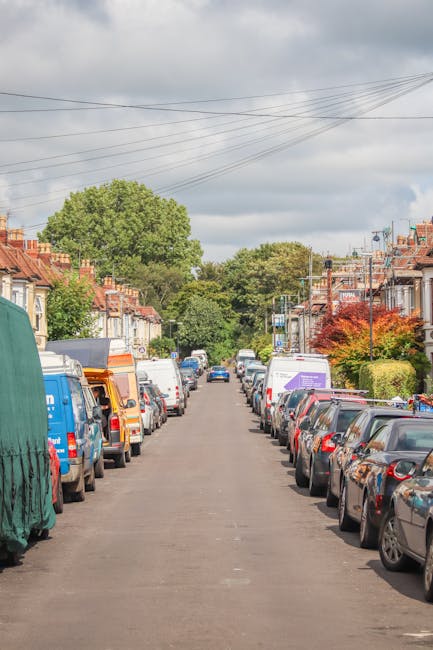
Crook Log bungalow removals Bexleyheath parking advice
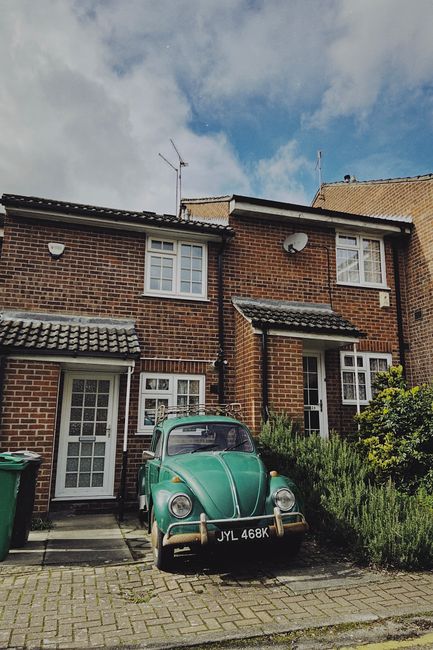
If you are planning a bungalow move in Crook Log, Bexleyheath, parking can make the difference between a calm moving day and a messy one. A van that cannot get close enough, a neighbour's car blocking the curb, or a tight road with no clear loading space can quickly slow everything down. This guide on Crook Log bungalow removals Bexleyheath parking advice is here to help you plan properly, avoid avoidable stress, and keep the move moving.
Truth be told, bungalow removals often look simple from the outside. Fewer stairs, one level, shorter carry distance. Lovely, in theory. But the practical side is different: driveways, dropped kerbs, narrow front gardens, corner parking, permit checks, and those awkward bits where the trolley wheel hits a lip in the pavement. If you want a smoother day, a bit of local parking know-how goes a long way.
Below, you will find clear guidance on why parking matters, how to work around Crook Log's layout, what to do before moving day, and how to avoid common mistakes that can waste time. There is also a checklist, a comparison table, and a realistic example so you can see how it all fits together.
Why Crook Log bungalow removals Bexleyheath parking advice Matters
Parking advice matters because a removal van is only useful if it can actually work near the property. For bungalow moves, that usually means getting close enough for safe lifting, keeping travel distances short, and making sure the crew can load without constant stop-start disruption. In a busy part of Bexleyheath, even a small parking issue can snowball fast.
With a bungalow, the layout often helps on the inside but presents its own outside challenges. There may be a short driveway, a shared access lane, or no off-street space at all. The street might feel fine when you visit on foot, then suddenly look a lot narrower once a long wheelbase van arrives. Been there, more than once.
Parking is also tied to timing. A move at 9:00am on a weekday is a different beast from a late-morning weekend move when neighbours are home, cars are out, and the road fills up quickly. If you do not plan for that properly, the crew may have to park further away and carry furniture longer than expected. That adds time, effort, and sometimes cost.
There is another reason this matters: goodwill. Clear parking planning reduces friction with neighbours, avoids awkward arguments over who is blocking what, and helps the day feel more orderly. Nobody wants to start a new chapter by shuffling a van back and forth while someone stands in the doorway tutting. Let's face it, moving day already asks enough of you.
How Crook Log bungalow removals Bexleyheath parking advice Works
The basic idea is simple: you assess the property, the road, and the likely vehicle size before moving day, then decide where the van should stop and for how long. But the useful part is in the details. Good parking planning is really a chain of small decisions.
First, look at access. Can a van get into the street easily? Is there enough width for safe passing traffic if the van is parked partly at the curb? Is there room to open doors and move a trolley? If the answer to any of those is "not really", then the plan needs adjusting early.
Next, think about where items will be carried from. A bungalow may still have a longer path than expected if the front gate is set back from the road or the driveway is shared. One property might allow a direct load from the front door. Another may need the van positioned with care so the loading route does not cross a garden wall, hedge, or awkward step.
Then there is the question of parking restrictions. Some streets in and around Crook Log may have resident bays, time restrictions, school traffic at peak hours, or general congestion that affects loading. Exact rules vary by location, so the safest route is to check the road conditions and any signs before the move, not on the morning of it. Too late then, honestly.
Finally, the crew needs a workable flow: park, unload, carry, stage, and reload in a way that does not keep crossing itself. The best moves feel almost boring because the logistics are tidy. That is the goal. Quiet efficiency.
Key Benefits and Practical Advantages
Good parking planning is not just about avoiding a ticket or being polite to neighbours. It changes the whole tone of the move.
- Shorter carry distances: Less time walking heavy items means lower risk and quicker loading.
- Less damage risk: Fewer turns, fewer corners, and fewer chances for furniture to catch on gates, walls, or kerbs.
- Better crew efficiency: Removal teams work faster when they are not improvising around blocked access.
- More predictable costs: Clear access can reduce delays and awkward overruns.
- Lower stress: You are not trying to solve parking problems while also managing keys, boxes, and the kettle.
The practical upside is especially noticeable with larger furniture. Wardrobes, sofas, bed frames, and white goods become much easier to handle when the van is parked in the right place. A few extra metres may not sound like much, but after 20 trips, it absolutely is. Your back will tell you before you do.
For many bungalow moves, the best outcome is not flashy. It is a simple, controlled loading process where everything is close, visible, and in order. That calm rhythm matters. It tends to set the tone for the rest of the day.
Who This Is For and When It Makes Sense
This advice is useful if you are moving from or to a bungalow in Crook Log and want the day to run without parking drama. It is especially relevant if your property has limited frontage, shared access, or no private drive.
It also makes sense if you are:
- moving with a removal van that needs street-side loading
- using a man with van service for a smaller move
- booking house removals and want to avoid delays at the curb
- moving bulky items and need a safe, close parking position
- trying to coordinate neighbours, family cars, and access on the same day
There is also a commercial angle. If you are comparing move options, a team that understands parking pressure in local streets can often save more time than a cheaper quote would suggest. That is why some people end up choosing a more experienced local provider after all. It is not just about the headline price.
If your move is bigger, or you have several pieces of awkward furniture, a route and parking plan become even more important. Bungalow or not, the outside setup can make a modest move feel smooth or chaotic. Easy to overlook, until the van arrives.
Step-by-Step Guidance
Here is a practical way to plan parking for a Crook Log bungalow move without overcomplicating it.
- Walk the route from the road to the front door. Look for steps, slopes, gates, low walls, hedges, bins, lamp posts, and anything else that narrows the carrying path.
- Check the road at the time you will actually move. A quiet street at midday can be busy at school run time or full of parked cars later in the afternoon.
- Decide what size vehicle is realistic. Bigger is not always better if the road is tight. Sometimes a smaller vehicle parked closer is the smarter choice.
- Identify the safest loading position. The ideal spot is close enough to shorten the carry but not so awkward that it blocks access or creates a hazard.
- Look for signs and restrictions. Pay attention to bay times, single yellow lines, loading rules, and any permit-related information displayed locally.
- Plan who will manage the space. Someone may need to guide the vehicle in, keep an eye on the curb, or temporarily move family cars before the crew arrives.
- Keep the first load easy. Start with items that help shape the day, such as boxes and smaller furniture, then move on to the bulky pieces.
- Leave a little breathing room. Do not park the van so tight that doors cannot open properly or items cannot be staged safely.
A tiny bit of planning here saves a surprising amount of time later. You do not need to become a parking expert overnight. You just need a workable setup that suits the street and the property.
Local planning tip that often gets missed
If you are moving on a Saturday morning, check whether nearby streets are busier than they look during the week. In practice, some residential roads feel calmer on paper than they do in real life because of visitors, shopping trips, or people moving cars around. A quick look in the hour before the move can be more useful than a guess made the day before.
Expert Tips for Better Results
In our experience, the best parking outcomes come from thinking like a mover for ten minutes before thinking like a homeowner. It is a small shift, but it helps.
- Use cones or a person, not assumptions. If the street is busy, one parked car can remove your planned space in minutes.
- Prioritise direct line of carry. The shortest route from van to front door is usually the safest, even if it is not the prettiest.
- Protect turning points. Corners, gateposts, and low brickwork are classic places where items get bumped.
- Do not overload the curb side. A van that is too close to the traffic lane can create a hazard and slow everybody down.
- Separate parking from packing decisions. Decide the vehicle position before you start carrying boxes, not after.
- Keep a small pause for each big item. A brief reset between bulky pieces avoids rushed lifting. Sounds trivial. It really is not.
One of the most useful tricks is to stage the first wave of items near the door before the van is fully committed to a spot. That way, if the driver needs to adjust by half a metre, the move does not unravel. You want flexibility early, certainty later.
And if the weather turns? Rain and damp kerbs change everything. Grips slip, boxes soften, and the pace drops. A few old towels, a mat by the door, and a sensible parking position can make the difference between a tidy move and a soggy scramble.
Common Mistakes to Avoid
The most common mistakes are rarely dramatic. They are just annoyingly avoidable.
- Assuming parking will be fine on the day. That is a gamble, not a plan.
- Choosing the van size without checking the street. A larger vehicle may create more problems than it solves.
- Ignoring neighbour parking patterns. If households usually come home at a certain time, your space may disappear.
- Blocking access to bins, gates, or driveways. That can create tension quickly.
- Forgetting the carry route. Parking is only half the job; the path from vehicle to door matters too.
- Leaving everything until moving morning. By then, you are already under pressure and less likely to notice a better option.
Another easy mistake is underestimating how long loading takes when the van cannot park close enough. People think, "It is only a bungalow, this should be straightforward." Sometimes yes. Sometimes not even slightly. If the layout is awkward, the time adds up quietly.
There is also the human side. Stress makes people rush. Rushing makes people park badly. Bad parking makes everyone more stressed. You see the cycle. Best to break it early.
Tools, Resources and Recommendations
You do not need a big toolkit to manage parking well, but a few practical items help a lot.
- A tape measure: Useful for checking gate gaps, paths, and the width of possible stopping points.
- Phone photos: Snap the frontage and parking area so you can compare options calmly later.
- Notepad or moving app: Keep a short list of restrictions, timings, and who is doing what.
- Labels and staging boxes: They reduce van-side clutter and make loading more efficient.
- Protective covers or blankets: Handy if items must be staged briefly near the curb.
For broader move planning, the packing and boxes page is useful if you want to get your items ready before the van arrives, and removal services gives a broader view of what a professional team can handle. If you need a general reference point on costs and expectations, the pricing and quotes page can help you compare options more sensibly.
If you are dealing with bulky or delicate pieces, it is worth reading about furniture removals as well. Heavy items are exactly where a poor parking position starts to bite.
Law, Compliance, Standards, or Best Practice
Parking for removals needs to sit comfortably within local road rules, traffic signs, and common-sense safety practice. Exact restrictions vary by street, so it is wise to check local signage and any relevant permit requirements before the move rather than relying on memory or guesswork.
If a street uses controlled parking bays, loading restrictions, or resident permits, you should not assume that "just a few minutes" is automatically acceptable. The safer approach is to plan legally and keep the move within the allowed use of the space. Where parking rules are unclear, it is better to investigate in advance than to improvise on the day.
From a best-practice point of view, a removal vehicle should not create avoidable danger for pedestrians, cyclists, neighbours, or other road users. That means keeping sightlines clear where possible, avoiding blocked pavements, and loading in a way that does not encourage unsafe manual handling.
Safety matters inside the move too. Professional teams should use sensible lifting techniques, maintain clear communication, and avoid carrying items over distances that make the job unnecessarily risky. If you want a better sense of how a responsible operator approaches this, the health and safety policy and insurance and safety pages are worth reading before you book.
Parking, in other words, is not just convenience. It is part of safe and compliant moving practice.
Options, Methods, or Comparison Table
Different moves call for different parking approaches. The right choice depends on street width, access, household size, and how much furniture is being moved.
| Parking method | Best for | Pros | Trade-offs |
|---|---|---|---|
| Direct curb-side loading | Clear streets with enough room | Shortest carry, fast loading, simple flow | Can be awkward if traffic is heavy or space is tight |
| Driveway loading | Properties with usable off-street space | Very efficient, tidy, less disruption to the road | Not always possible with larger vans |
| Short-distance street parking | Busy roads with partial access | Flexible and often realistic in residential areas | Longer carry distance and more handling time |
| Managed space with a spotter | Narrow roads or tricky corners | Improves control and reduces parking errors | Needs coordination and clear communication |
For some bungalow moves, driveway loading is ideal. For others, street-side loading is the only practical choice. The point is not to chase a perfect setup that does not exist. It is to choose the safest workable one. Slightly boring, yes. Also very effective.
Case Study or Real-World Example
Here is a realistic example based on the sort of move we often see in Crook Log.
A couple were moving from a bungalow with a short front garden and no off-street parking. On paper, the road looked manageable. In practice, the street filled with parked cars early in the day, and the nearest open space was several doors away. That would have meant repeated long carries with a sofa, bed frame, and washing machine.
Instead of winging it, they checked the street the day before, chose an earlier arrival window, and asked a family member to reserve a sensible loading position while the crew unloaded the first boxes. They also cleared the front path, moved bins, and kept the front gate open. Nothing dramatic. Just good preparation.
The result was a calmer move, fewer trips back and forth, and no last-minute panic about where to stop. The weather was one of those grey London mornings where everything feels a bit damp around the edges, so the shorter carry really helped. Small details, but they matter.
What stands out in cases like this is not just the parking decision itself. It is the way one good decision supports the next. Better parking leads to better pacing. Better pacing leads to safer lifting. Safer lifting leads to a move that feels manageable. You can feel the difference.
Practical Checklist
Use this checklist before moving day so your parking plan is not left to chance.
- Check the street layout and frontage around the bungalow
- Look for signs, bay markings, and loading restrictions
- Decide where the van should stop for the shortest safe carry
- Measure gate widths and note any steps or narrow points
- Confirm who will guide the vehicle on arrival
- Move personal cars if they could block the loading position
- Keep bins, planters, and loose items out of the way
- Prepare boxes and furniture so loading starts smoothly
- Allow extra time if the street is busy or parking is uncertain
- Have a backup plan if the first space is taken
Practical summary: the better your parking plan, the less your move depends on luck. A little checking the day before can save a lot of heavy lifting and a fair bit of muttering under your breath on the morning itself.
If you are comparing move support in the area, you may also want to explore man and van options for lighter jobs or removal companies if you want a fuller service with planning support included.
Get a free quote today and see how much you can save.
Conclusion
Crook Log bungalow removals Bexleyheath parking advice is really about making the practical side of moving less uncertain. If the van can park well, the loading route is short, and everyone knows the plan, the whole day tends to feel easier. Not perfect, maybe. But a lot easier.
That is the aim: fewer surprises, safer handling, better timing, and less strain on everyone involved. Whether you are moving a few rooms of furniture or a full bungalow's worth of belongings, parking deserves attention early, not as a last-minute scramble.
Plan the space, keep the path clear, and give yourself room to breathe. Moving day can still be a proper job, but it does not have to be a headache.
Frequently Asked Questions
What is the main thing to check before parking a removal van at a bungalow in Crook Log?
The main thing is whether the van can stop close enough to the property without creating a hazard or blocking access. Check the road width, driveway options, gate access, and any signs or parking restrictions before you commit.
Do I need a permit for bungalow removals in Bexleyheath?
It depends on the exact street and the restrictions in place. Some roads have resident bays, controlled zones, or loading rules, while others are more flexible. Always check the local signage and plan ahead rather than assuming parking will be fine.
Is a smaller van better for Crook Log bungalow moves?
Not always, but often yes if the street is tight. A smaller van can be easier to position close to the property. A larger van may carry more in one go, yet still cost more time if parking becomes awkward.
How far from the front door can a van reasonably park?
There is no fixed distance, but shorter is usually better for safe and efficient loading. The ideal spot is one that allows clear access, manageable carrying distances, and safe manoeuvring for the crew.
What if the usual parking space is taken on moving day?
That is why a backup plan matters. Have an alternative loading position in mind and ask someone to check the street before the van arrives if possible. A little flexibility can prevent a lot of delay.
Can I reserve a parking space for a removal van?
Sometimes you can manage the space informally by coordinating with neighbours or timing the arrival well, but any formal parking reservation depends on local rules. Do not place cones or barriers unless you know it is allowed.
Why do bungalow removals still need so much planning?
Because the outside access can be just as important as the inside layout. Even without stairs, a bungalow can have narrow paths, limited frontage, shared drives, or parking restrictions that affect the whole move.
What should I do with my car on moving day?
Move it well before the removal vehicle arrives if it might block access. It is one of the simplest ways to make the day smoother. Sounds obvious, but it is easily forgotten when everything is happening at once.
Are weekend moves easier for parking in Crook Log?
Sometimes, but not always. Weekends can mean fewer commuters, yet more local traffic, visitors, or parked cars from nearby homes. Check the street at the time you plan to move rather than relying on general assumptions.
How do I know if a removal team understands local parking issues?
Look for practical questions during the quote process. A good team will ask about access, parking, vehicle size, and any tight spots before the moving day. If they seem to gloss over that part, be cautious.
What is the best way to reduce delays during a bungalow move?
Prepare the parking spot, keep the loading route clear, label your boxes, and make sure the crew knows where to park. A tidy setup makes a bigger difference than people often expect.
Should I worry about insurance if parking is tight?
It is sensible to check that the company has appropriate cover and sensible safety procedures, especially if access is awkward. Tight parking is not a reason to panic, but it is a reason to choose a careful operator.
Where can I learn more about local move planning and costs?
You can review service pages and helpful guides on the same website, especially the pages covering quotes, packing, and removals. They give a better sense of how to plan the move as a whole, not just the parking.